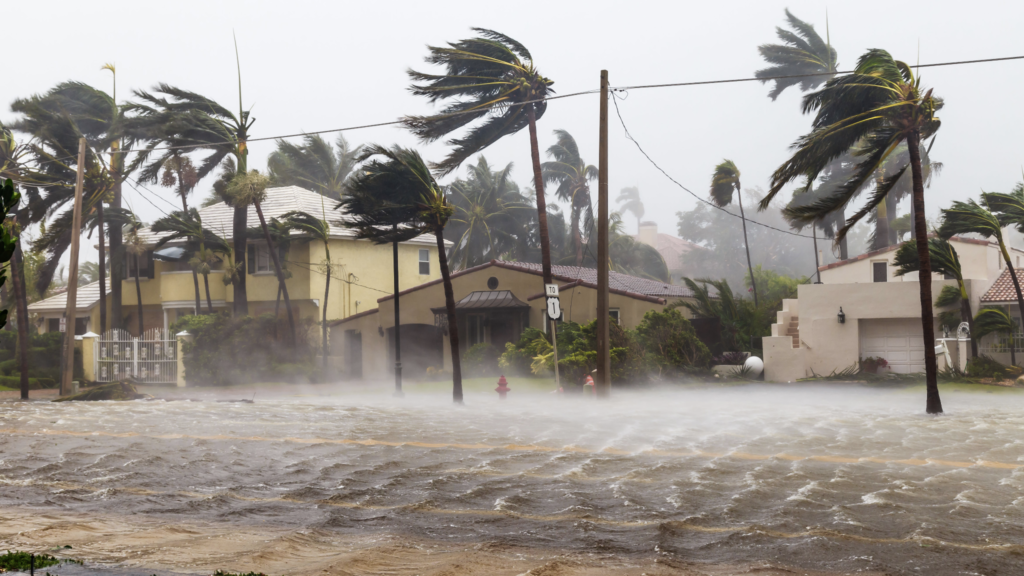


Hurricane preparation
hurricane season can bring a lot of worry and fear. Which is why it’s important to always be prepared for the worst. Catastrophic hurricanes can bring winds ranging anywhere from 75-200 mph, destroying and flooding everything in their paths in severe conditions. Weather is unpredictable and impossible to control. The only possible thing to do is prepare for the storm. Make sure to always listen to local authorities and always check local forecasts. Here are some ways you can prepare for an incoming hurricane incase evacuation is necessary or if it’s safe to stay put.
1) Preparing for an evacuation
In some instances, you’ll be required to evacuate your home and leave most of your things behind. Ensure you have the most time to prepare by staying up to date on the weather forecast. When evacuation is necessary it’s important to secure your house and personal belongings. Board up windows and doors in case the glass happens to break during strong winds. Secure all rooms by closing doors, this can help slow down or stop floods and fires from spreading. Make sure to unplug all appliances, and electronics before leaving. In addition, if time is permitted, elevate and cover furniture off from the floor to prevent flood damage. Make sure to turn off the electricity and shut the main water lines to avoid contamination in pipes. Ensure you take copies of all valuable documents including, titles, passports, birth certificates, business records, warranties, and any other important documents. If time permits, take photos of your home’s interior and exterior for the insurance company. Take photos of large ticket items serial numbers such as workout equipment, appliances and electronics. Lastly, seek shelter in higher ground 20-50 miles away, and create an evacuation route to avoid flooded roads or heavy traffic.
2)Stay put notice
If you’re not required to evacuate your home and you feel safe enough to stay, make sure you have all the following safety supplies. This could include flashlights, candles, generators, and extra charged batteries in case power goes out. Secondly, have a fully stocked first aid kit in case emergency personnel are unable to reach your location. Proper first-aid kits should include band-aids, pain medication, prescription medication, gauze, an emergency blanket, alcohol wipes, and more. Having an accurate amount of nonperishable food is also essential. You should have at least three days’ worth of food for every member of your family. Furthermore, make sure to board up windows with plywood in case high winds break glass. Fill the bathtub with water just in case there is no running water after the storm. By filling the bathtub you will at least have water to flush toilets. Create an emergency evacuation plan in case conditions spike and finally, remember to stay calm in a safe and covered room of your house without windows during the duration of the storm.